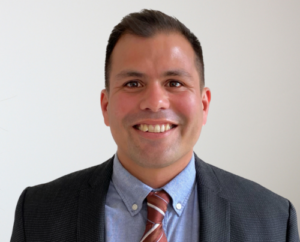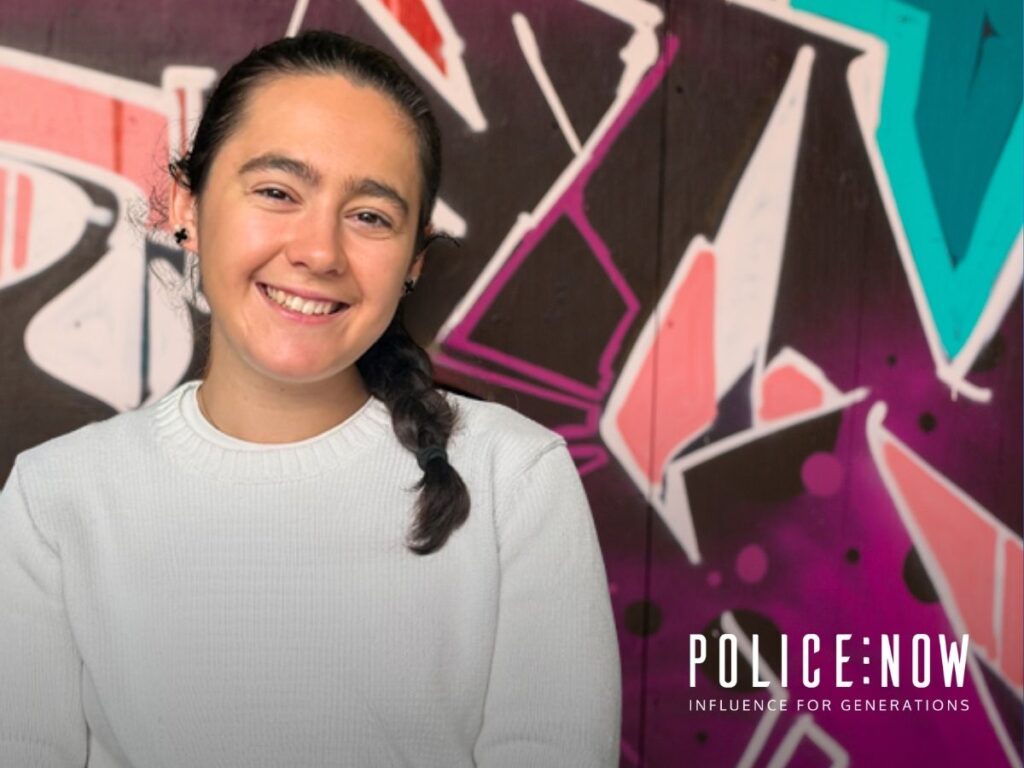
Claire-Marie had never pictured herself on the policing frontline, she originally studied for a career in the health sector.
But when she discovered neighbourhood policing – a role built on long‑term problem solving, supporting vulnerable people, and making tangible impact – she realised it was exactly where she could make the biggest difference.
Now, she’s using that passion and drive to make her community a safer place to live and work, one challenge at a time.
Tell us about a time you’ve reduced crime and supported your community?
I recently addressed a persistent shoplifting and anti-social behaviour problem at a local Sainsbury’s. The items stolen were low-cost, but over time the losses amounted to thousands of pounds. It was causing real distress, and staff were being harassed to the point that one employee even resigned; no one should be scared to come to work.
Reviewing CCTV, I realised this wasn’t a series of isolated incidents, but the same group of people targeting the store. I sought further evidence but was faced with several roadblocks; I had to think creatively about how to track them down before they could reoffend.
I considered that they may have caused issues in other areas, so I searched through Body Worn Video from across the Borough – and I was right, I found footage of the suspects from previous stop-and-searches. That enabled me to formally identify them, and we made several arrests and interventions.
Since then, there have been no further reports from the store about the group. It has made a huge difference to everyone working there – and I’ve since shared my Body Worn Video searching methods with other Police Now officers across the country at one of our national impact events.
Why is neighbourhood policing so important for building trust and confidence in policing?
Neighbourhood policing means becoming a consistent, familiar contact. Instead of responding to single incidents and moving on, you can spot patterns, solve problems at their root, and become someone that the public knows and trusts.
While Response officers attended each individual 999 call from the store, it was my role to identify the long-term issue and tackle the problem proactively.
That dedication and consistent support is so essential for building public trust and confidence in policing. One of the employees told me afterwards that before I intervened, she couldn’t have imagined a time when the group weren’t harassing the store – she was so relieved, she felt so much safer.
That’s the reason I went into neighbourhood policing; to deliver visible, lasting change, and provide support to those in need.
What is your proudest moment in policing so far?
Last year, I arrested a man for possession of Class A drugs after witnessing a deal in a local park. It wasn’t the first time he’d been arrested, and I spoke to him about the support available for addiction and the services that could help him turn things around.
Months later, I heard someone shouting “Claire, Claire!” down the street. It was the same man – and he looked so much healthier and happier. He told me, “I stopped taking drugs because of you.”
Taking the extra time to provide him with the understanding, support, and information he’d needed had made all the difference.
Moments like that stay with you.
– Police Constable Claire-Marie Rozario, Metropolitan Police Service