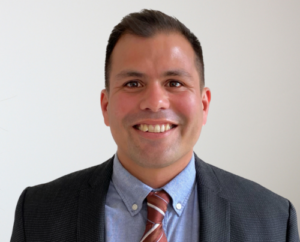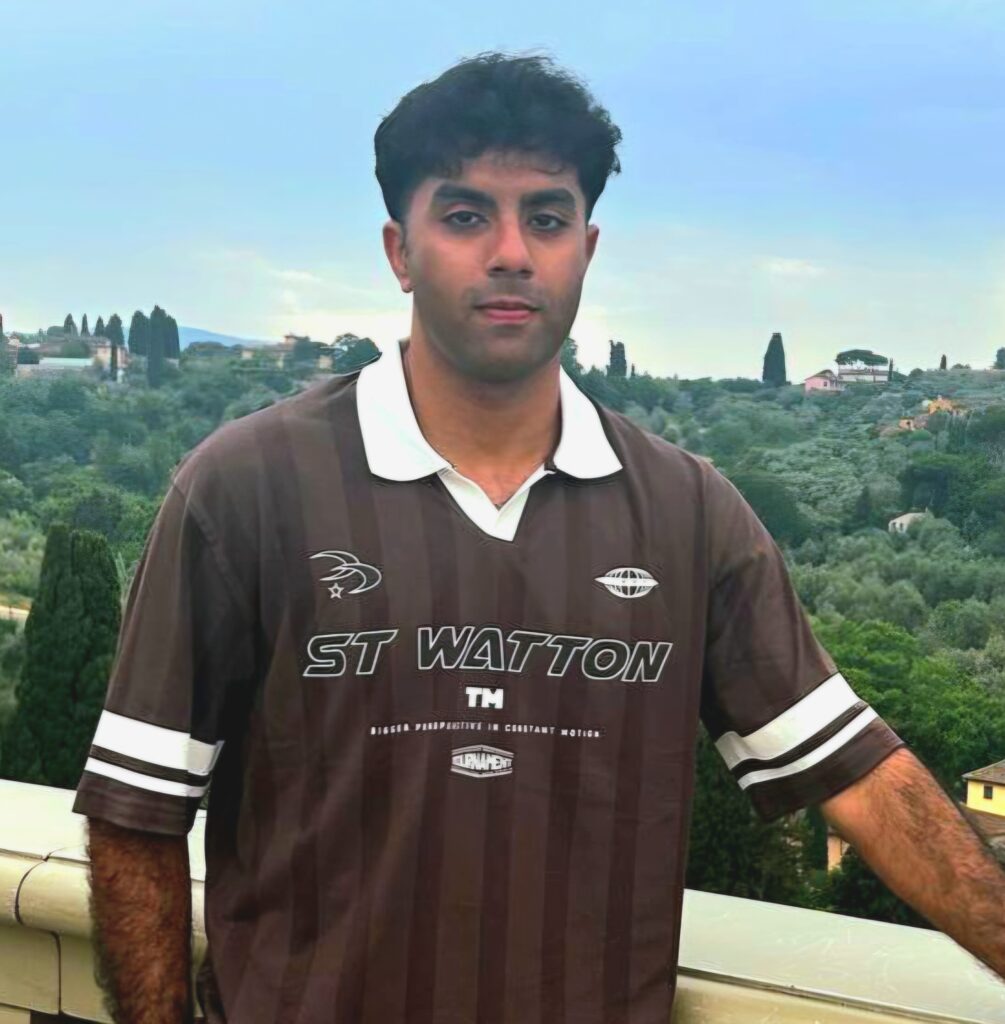
PC Shabeeh Haider joined our National Graduate Programme in 2025. He shares how being a South Asian neighbourhood officer helps him bridge cultural divides, challenge misconceptions and strengthen trust in policing.
As a South Asian police officer, I recognise the role I can play in helping to build trust between the police and some of the communities I serve.
Not only am I a role model for those in my community who wouldn’t otherwise see themselves represented in the police – and, to be effective, it’s essential that our police service represents the communities it serves – but it also helps me understand the cultural nuances involved in particular situations we encounter.
I’m originally from Pakistan, having emigrated to the UK about 14 years ago at the age of 10. My friends and family were shocked when, after studying Aerospace Engineering at the University of Manchester, I decided to apply to Police Now, which offers the only national graduate entry route into policing. It’s just not a common career choice for South Asians in the UK and, in fact, I serve with South Yorkshire Police where there’s only a handful of South Asian officers in my district.
In my culture, it’s frowned upon for women to involve the authorities in cases involving mistreatment by their husbands. Sadly, this means that when they do, they risk being criticised by others in their community. This is where my role as an officer is key because I’m able to understand the beliefs held by many in my community as well as the laws of this country.
I’ve heard South Asian women criticise the police for always taking the women’s side in domestic incidents, and I’ve heard them criticise women for secretly recording their husbands in order to collect evidence of abuse to present to the police, because doing so is considered unacceptable in our culture. It’s concerning that even women in my community can hold these views, and I’m glad I’m able to explain to them what women’s rights are in the UK.
I often find myself explaining the role the police have in upholding our laws and investigating crimes when they are reported, regardless of whether doing so is considered appropriate within someone’s culture. I’m not saying I get through to everyone – some, particularly the older generation, can be very attached to the cultural norms they grew up with – but they do listen, and I hope that I’m making a difference by helping them understand how things work in the UK.
I enjoy having difficult conversations, especially with people who feel that their cultural expectations conflict with the law, because part of my role is helping them understand how the law is applied in the UK.
Their distrust of the police is understandable because many have never had a positive interaction with them before. Being a role model to them is very important to me, which is why I’ve offered to give talks about what it means to be a police officer and what my duties involve at mosques and community events attended by my relatives.
I’ve also had a number of young people contact me to ask for advice on how to join the police or for help dealing with certain incidents, which I’m always happy to do. It’s nice to think that my friends and family will recommend me to strangers in that way, but it also shows just how few South Asian police officers there are.
As well as English, I speak Urdu, Hindi and Punjabi. I don’t use these languages every day on the job, but I’ve found them useful at times, mostly when dealing with people who are drunk on a night out. Being able to ask them to leave an area or communicate other instructions in their native language has obvious benefits in terms of compliance.
I’ve seen frowns relax and raised eyebrows drop as they realise they can have a conversation with me in a language they fully understand. It seems to put them at ease and is a definite benefit of my South Asian heritage.
I chose neighbourhood policing to make a positive difference to people’s lives. I was a little concerned that my background would hinder my chances of being accepted, but I joined through Police Now in part because of the emphasis they place on diversity and inclusion.
I’m halfway through the two-year National Graduate Programme now and I love going into communities, talking to people, helping to solve their problems and interacting with them in a positive way. It gives me a great deal of satisfaction, and I hope that by being visible in policing, I can help more young South Asians see it as a career where they can make a difference without losing pride in their heritage.