Neurodiversity Celebration Week: Sergeant Karen Pittendrigh on her policing and promotion journey
Monday 17th March 2025

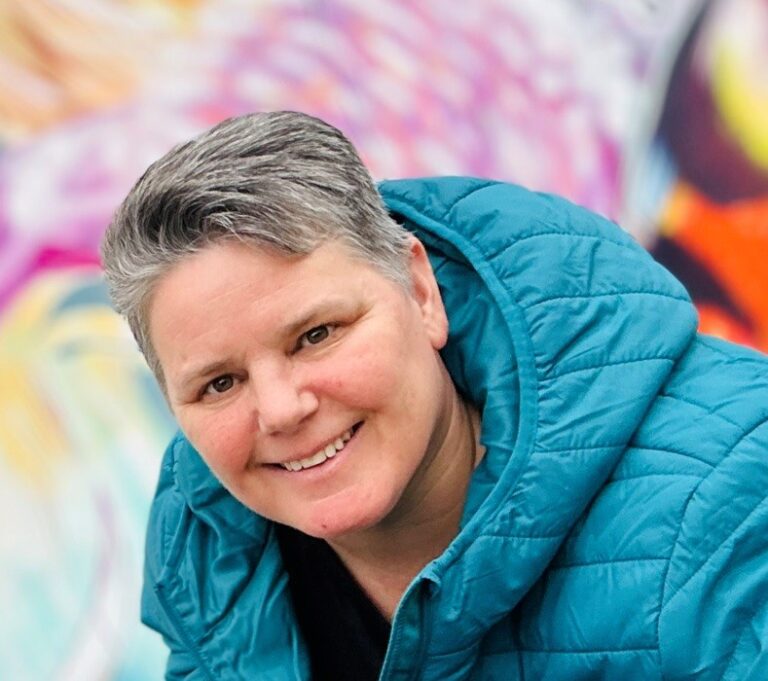
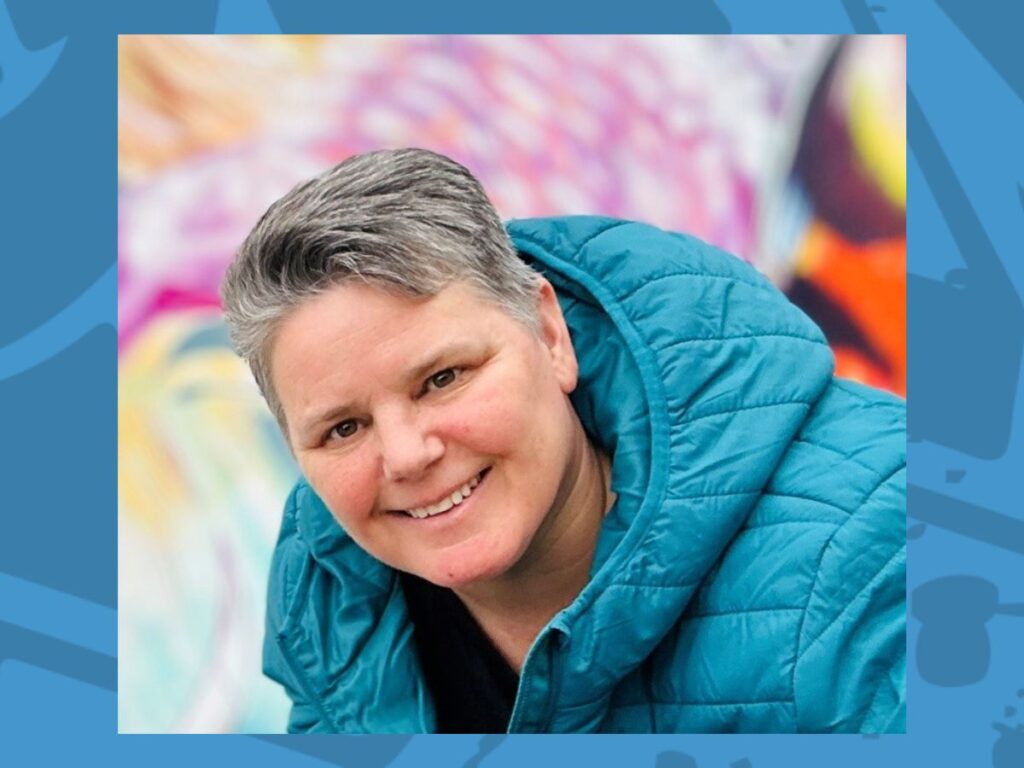
Sergeant Karen Pittendrigh of Merseyside Police discovered her neurodivergence at the age of 48, following a workplace assessment which highlighted dyslexia.
She talks to us during Neurodiversity Celebration Week (17th – 23rd March) about some of the challenges she’s overcome, the importance of representation, and how her assessment helped her take on the sergeant promotion process – crediting Police Now’s Frontline Leadership Programme for providing essential support and driving diversity in senior ranks.
Sergeant Karen Pittendrigh:
“I joined policing when I was 30, and I found out I had dyslexia in my late 40s. Although the assessment wasn’t classed as a diagnosis it opened the opportunity for reasonable adjustments, which was just what I needed to help me further my career. It helped me to understand more about myself and how to manage and overcome some of the challenges I’ve faced as a neurodiverse officer. I commenced on a journey of self-discovery and expanded my knowledge of neurodiversity.
“Generally speaking, being neurodiverse means your brain thinks and works differently to what is considered neurotypical. This can make some things more challenging, but it can also come with strengths and benefits. For example, I have always been very methodical with my note taking and write everything down as a response to managing my slow processing speed and poor memory (a trait of my dyslexia) – this is time-consuming but means my policing notes are always thorough and reliable.
“One of my biggest challenges was self-doubt and being very openly self-critical, something I am still guilty of to this day. For many years I thought I was just ‘a bit slow’ at completing tasks and that I wasn’t as smart as others, which isn’t the case.
“I am also of the era where the term dyslexia wasn’t commonly used (or diagnosed). Even when I spoke to my mum about it a couple of years ago, following my assessment, the response was ‘you can’t be dyslexic, you can read and write.’
“Before my dyslexia assessment, I had attempted the sergeants’ exam three times but always just missed the mark and put it down to me simply not being good enough. On my fourth and final attempt at the exam before being successfully promoted, I was given extra time as a reasonable adjustment to account for my dyslexia. This small adjustment made such a big difference. It is important to remember that you don’t have to have a formal diagnosis to be eligible for a workplace assessment or reasonable adjustments.
“I was promoted to sergeant rank in January this year, following a period of acting duties and successfully passing this application and promotion board. This means I am now in a stronger position to influence change, and support and represent other neurodiverse officers in my team. I have also linked in with the force’s neurodiversity team to provide feedback and insights, with the aim of better informing our collective understanding of neurodiverse officers’ experiences and how to support them with getting an official assessment and/or diagnosis.
“I completed Police Now’s Frontline Leadership Programme (FLP) before being promoted – a part-time course which supports constables to develop as leaders and navigate the promotion process. The programme pays particular attention to the barriers that often prevent talented officers from achieving or even being considered for promotion, helping to bring in that essential diversity to senior ranks and support underrepresented groups.
“We know that diversity – including diversity of thought – is essential to building strong and effective teams and driving creativity and innovation, which is so important for policing to get right. We represent a hugely diverse public, and we need to reflect that in our workforce. Being neurodiverse can mean a lot of different things; everyone’s experiences will differ and there is still so much we are learning about what being neurodiverse really means. Since learning about my dyslexia and other types of neurodiversity I am currently in the process of undergoing an assessment for ADHD.
“The FLP allowed me to feel more accepted, to learn from officers nationally who are also neurodiverse, and to surround myself with others who are trying to better themselves. Representation and networking in policing is so important for these reasons and helps you learn how to be the best version of yourself. I am still learning what works for me and what doesn’t and to recognise where my neurodiversity allows me to think differently to others and bring new perspectives or ways of working to my team. I hope I can now be this role model for my colleagues as I continue to learn more about myself and support those around me.”